Music Eye View examines what a brand, an institution or a concept already makes audible, whether intentionally or not. The audit opens the engagement: it reads the audiences, places and patterns of use, and sets out a recommendation that confirms, corrects or builds a sound direction. From that direction, Pascale, Éric and their teams design the musical programmes, deploy them, document them and govern them over time.
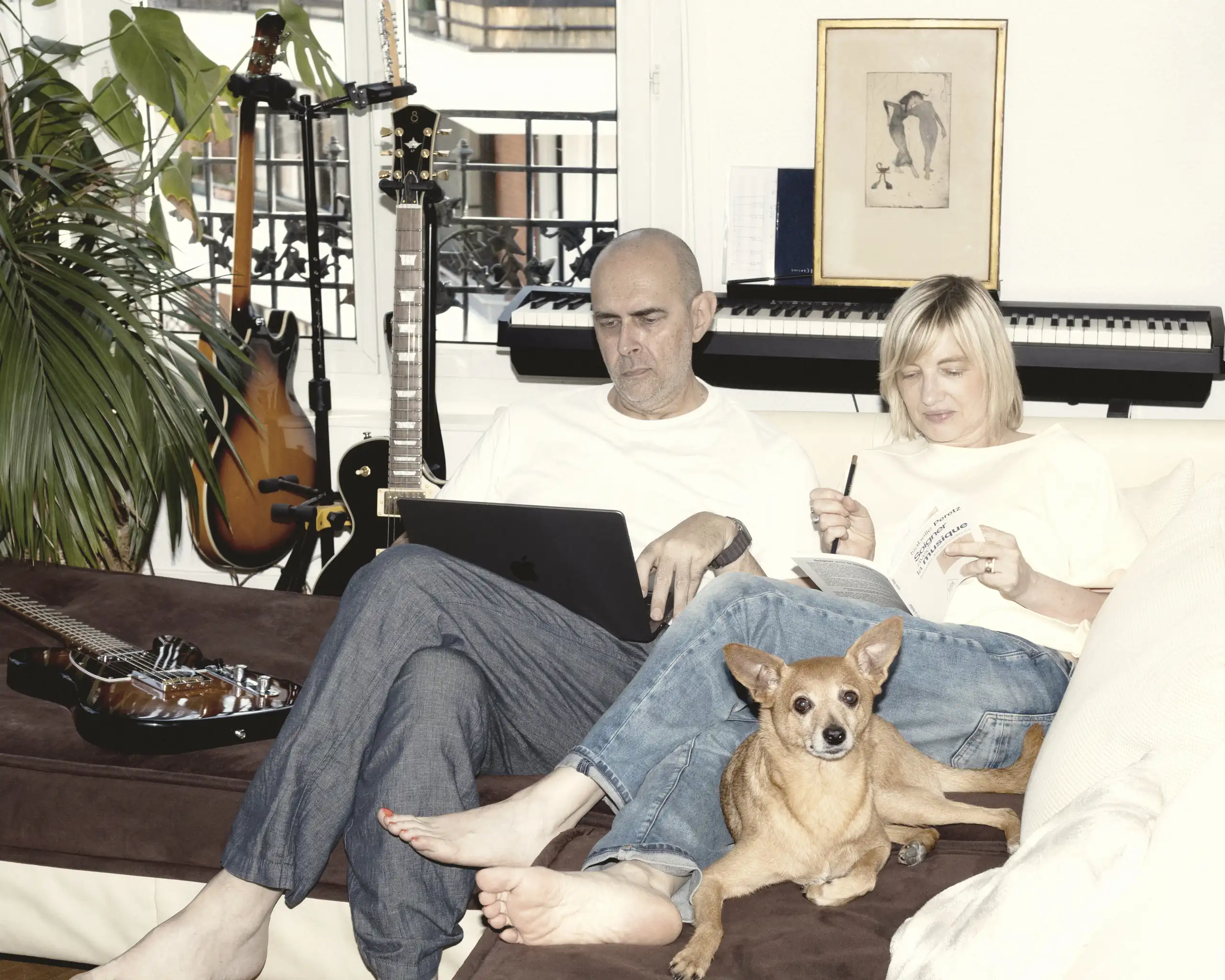
AUDIENCES
A brand is never heard in isolation
A brand makes itself heard in situations that are never quite the same. Customers arrive, teams work, visitors wait, guests stay. Each person listens through their own history, social and cultural frame of reference, sensibility and the attention available to them at that moment.
Music Eye View begins with these audiences and what they have come to experience. We read the intention of the brand, institution or concept: what it wishes to make perceptible across its spaces, moments and patterns of use.
From this reading, we distinguish what remains right, what no longer belongs in the place and what has never been articulated. The recommendation sets out what should be retained, corrected, removed or created. It also recognises the spaces in which silence is the right decision.
Before recognising a genre, audiences encounter tempo, rhythm, intensity, timbre, frequency, and the presence or absence of voice. Genres then become reference points rather than a starting point. A sound identity gives the brand’s intention a precise musical form, one that teams can understand and share as the place or its uses evolve.
Keeping this identity alive over time is the work of sound identity governance.
Explore sound identityMETHOD
Read · Choose · Deploy · Adapt · Govern
Sound identity governance involves five movements that remain in dialogue throughout the engagement.
Read
the audiences, the brand and the situations in which it becomes audible.
Choose
the musical parameters that will give the intention its audible form.
Deploy
the sound direction across the spaces and times in which it must live.
Adapt
the programmes as seasons, patterns of use or the concept evolve.
Govern
by articulating shared principles and preserving the reason behind each evolution.
These five movements remain in dialogue: reading informs choice, choice gives the direction its form, deployment tests it in the places, adaptation brings it into line with each situation, and governance preserves its meaning.
Explore sound identity governanceSHAPING
Giving form to the chosen direction
What the market calls background music, music design or music branding covers very different practices.
The quality of the tracks it brings together is not enough to turn a programme into a sound identity. Its choices must answer to an articulated intention, be open to explanation and remain usable when the context changes.
Music Eye View gives this direction a practical form: a charter setting out its musical principles, a matrix connecting spaces and moments, ordered programmes, rules for use, and documentation that preserves the reason behind each decision. With these reference points, teams can act without reinventing the direction or reducing it to the habits of the person who created it.
When the engagement includes our own delivery systems, we design and operate them with the teams concerned. We define how they interface with the venue’s equipment and designated leads. Music Eye View also advises the establishment on public performance rights; the operator remains responsible for its declarations, licences and payments.
The first delivery makes the direction audible. Its documentation allows it to endure.
CONTINUITY
What governance preserves
From one place, moment or season to the next, an organisation can preserve the same intention without playing the same music everywhere. It draws on a clear direction and a documented record of decisions to adapt the identity without allowing it to fragment.
A new team can understand the existing choices. A local or seasonal request can be considered without erasing the shared direction. A new place can join the system without reproducing the last. Responsibilities remain clear across leadership, local teams, Music Eye View and technical providers.
Once formulated and documented, a sound identity becomes an intangible brand asset. It no longer depends on a playlist, one person or one provider: the organisation can understand it, pass it on and allow it to evolve. Its value lies in this capacity for use and continuity, never in a promise of financial return.
Perception is never uniform. Depending on their history, culture, situation and listening conditions, audiences may feel, approach, remain, move through a space or remember it differently. Music may contribute to these experiences; it does not determine them.
Governance articulates the shared principles, preserves the reasons behind decisions and clarifies responsibilities when teams, patterns of use or the concept change. Music Eye View supports each adaptation so that successive requests do not dissolve the direction.
The role of tools
A platform supports delivery and monitoring. Governance articulates the direction, documents choices and organises how they evolve.
Decision and analysis
Strategic and editorial decisions rest with people and their acknowledged subjectivity: that is how identity is defined. Artificial intelligence analyses patterns in feedback and provides an additional perspective.
APPLICATIONS
One discipline, four realities
Places do not welcome the same audiences or serve the same uses. Music Eye View applies the same rigour while reading each situation on its own terms.
When the question arises
The question of sound identity governance often arises in very practical situations:
- a place is opening, changing or expressing a new direction;
- a programme already exists, but its criteria have never been articulated;
- several places or teams need to share one identity without making the same choices everywhere;
- a local request, a new season or a change in use calls for adaptation;
- a new site joins the brand without reproducing the one that came before it;
- a team, management group or provider changes, while the decisions still need to remain intelligible and transferable.
In each of these situations, the audit recognises what remains right, what deserves to evolve and what needs to be articulated. If one of them resembles your own, it may be the starting point for a conversation with Pascale and Éric.
Hospitality
A hotel, resort, restaurant or private club lives to the rhythm of arrivals, service, seasons and stays. The sound direction connects these moments without erasing the character of each space.
→ HospitalityHealthcare and wellbeing
In a care or wellbeing setting, people receiving care, those close to them and the teams move through periods of waiting, transition or possible vulnerability. Musical presence is framed with restraint; responsibility for care remains strictly with the relevant teams.
→ Healthcare and wellbeingEducation and campus
In a school or across a campus, students, teachers and teams move between focused work, circulation, teaching and shared life. Musical presence is decided in relation to these uses, including where they call for silence.
→ Education and campusWorkplace and branded spaces
In a headquarters, office, showroom or reception space, teams and visitors move between work, encounters and the brand’s public-facing moments. The sound direction distinguishes between these situations while preserving what the organisation wishes to make recognisable.
→ Workplace and branded spacesABOUT US
Nearly fifteen years of experience across more than thirty-five countries
Music Eye View brings together its co-founders, Pascale and Éric Perruchot, and their teams. For nearly fifteen years, they have worked in more than thirty-five countries, with places, brands and audiences whose cultures and ways of listening differ.
Pascale and her team read the situations, listen to the client’s teams and observe patterns of use. Éric and his team work with musical material, its histories, its codes and the departures those codes allow. Together, they test the brand’s intention against what is actually happening in its places.
Musicology and music history place works and repertoires in context. Sociology and psychology shed light on audiences and their patterns of use. Acoustics describes the listening conditions specific to a space. None of these disciplines offers a definitive answer on its own; together, they help Music Eye View ask the right questions and articulate a situated sound direction.
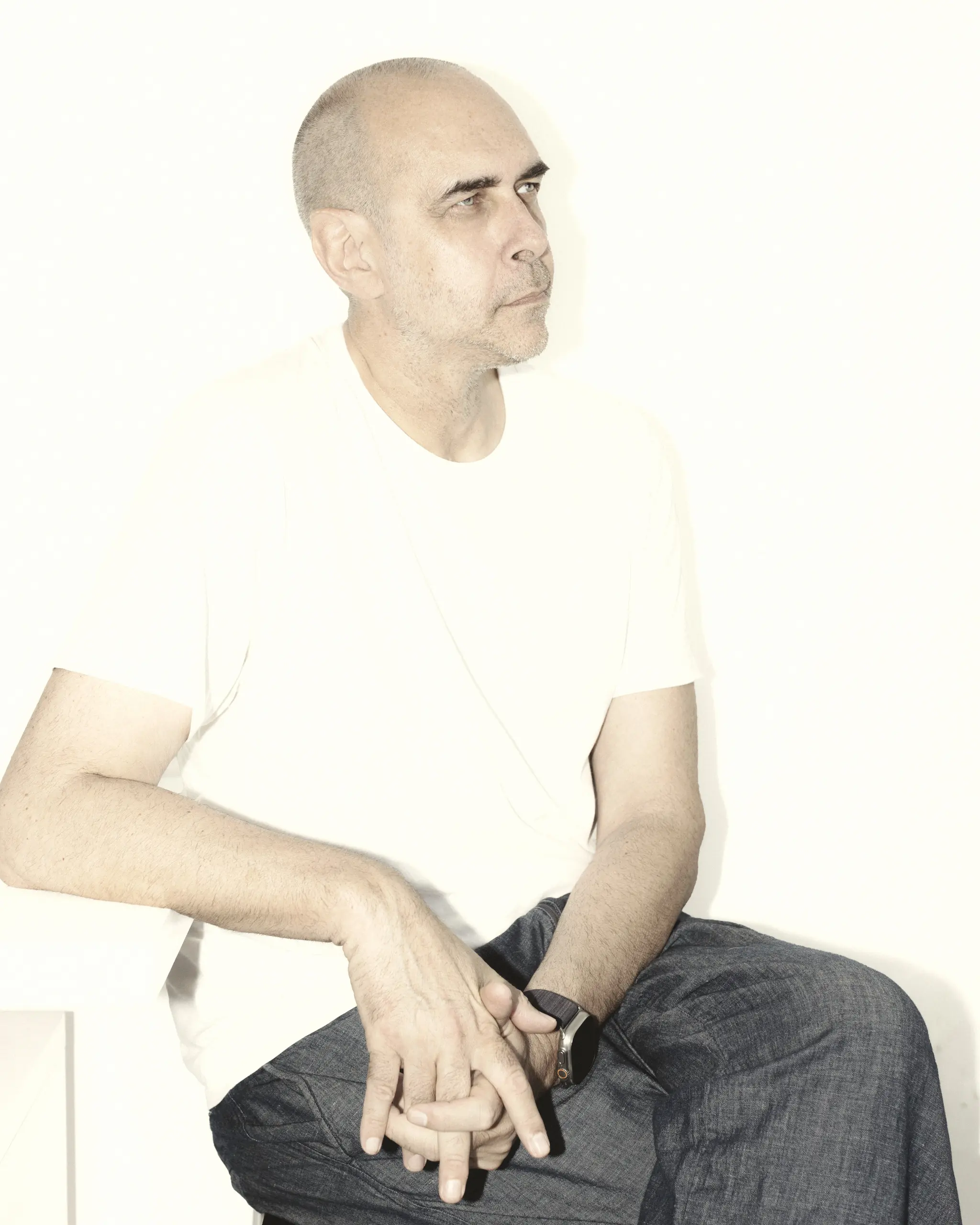
Éric Perruchot
Hears musical matter

Pascale Perruchot
Hears situations
Pascale and Éric also teach this discipline at Sciences Po Paris and Institut Lyfe in Lyon (formerly Institut Paul Bocuse). Teaching demands an intelligible method: explaining the reason behind a decision, naming its principles and showing how a brand can preserve its continuity.
CASE STUDIES
Three contexts, three situated decisions
Three case studies show how Music Eye View responds to situations that each call for a particular decision.
Hospitality · Teaching and entrepreneurship
Pantoufle
At Pantoufle, a relationship born at Institut Lyfe becomes a shared engagement: Jeanne, Pascale and Éric keep a governed French sound identity alive.
→ Read the case
Hospitality · Dining
Pierre Gagnaire · Capella Shanghai
At Capella Shanghai, Music Eye View articulated a single sound direction across Le Comptoir de Pierre Gagnaire, Le Bar and La Boulangerie without erasing the distinct uses and rhythm of the three spaces.
→ Read the case
Healthcare and wellbeing
Clinique Anthèse
At Clinique Anthèse, Music Eye View designed and deployed a sound direction for the place in which care is delivered. Clinical responsibilities remain strictly with the practitioners.
→ Read the caseKEY FIGURES
2012
Founded
35+
countries
1,000+
spaces programmed
3M+
titles listened to
300K+
works selected
CONTACT
Open a conversation
The first conversation takes place directly with Pascale and Éric. Your project does not need to be fully defined: the exchange situates the brand, its audiences, the places and patterns of use involved, the existing system and the responsibilities around it. If an engagement is being considered, it clarifies the possible scope; the audit always forms the first stage.
Start a first conversation